
A garden method,
not a gardening visit.
Most gardeners turn up, mow the lawn, pull a few weeds, and leave. The CGM Method is a five-stage operating model designed to bring your garden under control, keep it looking good week after week, and make it visibly better year after year.
Ordinary maintenance holds a garden where it is. The CGM Method moves it forward.
A one-off tidy looks good for a day. A regular gardener keeps it tidy for a week. The CGM Method is built to make the garden measurably better in year two than year one, and better again in year three.
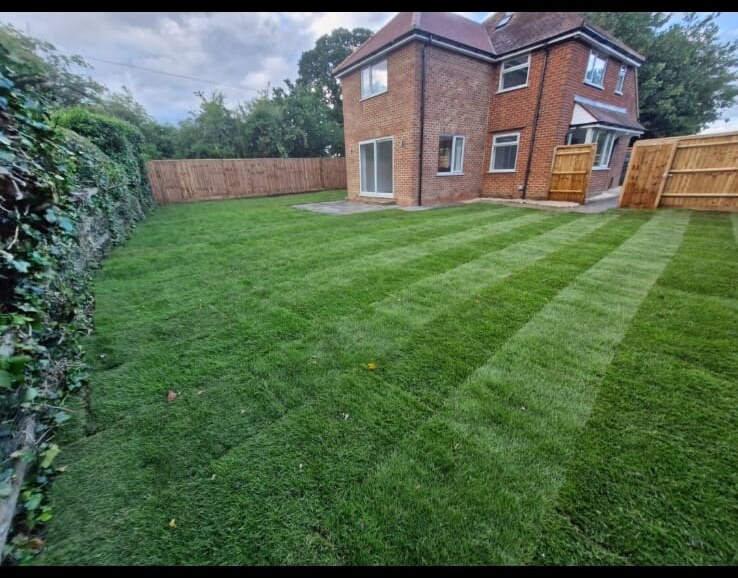
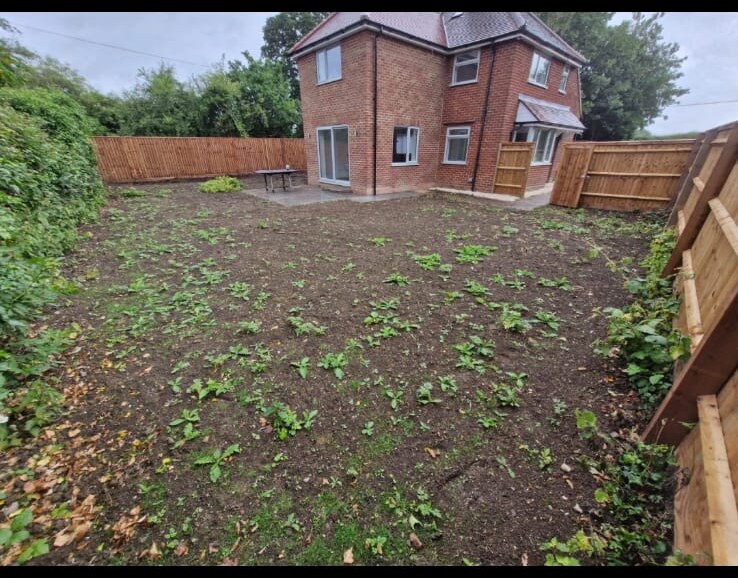
A lawn recovery is a process: assess the ground, prepare it properly, then establish a finish worth maintaining.
The visible result is only as good as the work beneath it.
The CGM Method begins with an honest assessment. In this garden, that meant clearing the old surface, preparing the ground and creating a proper new lawn rather than trying to disguise a tired one.
Once the foundation is right, regular care protects the result: mowing, edging, feeding and seasonal attention at the correct time.
The four principles every decision is measured against.
Right plant, right place
A plant in the wrong place will always struggle. We choose plants that suit the soil, light and moisture of each spot in the garden, not the plants we happen to have spare.
Right time, right job
Every gardening job has a right time of year. We do things when they will be most effective, not when they are most convenient. A hedge cut at the wrong time is a year of growth wasted.
Prevention over cure
A mulch in spring saves hours of weeding in summer. A regular feed keeps plants healthier than a panic feed when they are struggling. Prevention is cheaper, quieter and better for the garden.
Honest advice
If a plant is past saving, we will say so. If a job does not need doing, we will say so. If a cheaper option exists, we will tell you about it. We are paid to improve the garden, not to invent work.

Assess. Recover. Structure. Care. Improve. Five stages, one garden, every year.
The five stages run in order, and then loop. Each year the garden moves further along the Improve curve.
How the method actually works, stage by stage.
Each stage has a purpose. Each stage feeds the next. Skip one, and the rest of the method stops working.
Assess
Full assessment of plants, soil, light, drainage and existing condition. We walk the garden, photograph problems, take notes. Most ordinary gardeners skip this step.
Recover
Bring the garden back to a manageable state. Clear overgrowth, identify problems, restore edges and structure. A separate clearance visit if needed before maintenance begins.
Structure
Build a written annual plan: what needs doing and when. Pruning schedule, feeding schedule, lawn care schedule, hedge cutting windows. Updated as the garden evolves.
Care
Regular maintenance visits follow the plan. Mowing, weeding, deadheading, light pruning, hedge trimming, sweeping, leaf clearance, waste removal. Photos of problems WhatsApped as we spot them.
Improve
Year 1 recovery. Year 2 refinement, soil, planting, underlying problems. Year 3 onwards: visibly better than when we started. Healthier plants, better soil, fewer weeds, stronger lawn.
Year one is recovery. Year three is a different garden.
Most ordinary gardeners maintain the garden at the same level year after year. The garden never gets better. The CGM Method is different. We actively improve the garden through planned, seasonal interventions.
In year one, we recover. The garden is brought under control, problems are identified, and a baseline is established. In year two, we refine, improving soil, refining planting, addressing underlying issues that the first year uncovered. From year three onwards, the garden should be visibly better than when we started. Healthier plants, better soil structure, fewer weeds, stronger lawn.
This is not a sales pitch. It is what the method is designed to do, and what we measure ourselves against.
A standard maintenance visit, in full.
Every visit follows the annual plan, adjusted for weather and what the garden actually needs on the day.
Lawn mowing & edging
Cut to the right height for the season, with crisp edges along borders and paths.
Every visit →Weeding of beds & borders
Hand weeding to get the roots out, not just the tops.
Every visit →Deadheading
Keeps perennials flowering longer and looking tidy.
In season →Light pruning
Shrubs and perennials, done at the right time of year for each plant.
In season →Hedge trimming
Small formal hedges included. Large hedges quoted separately.
In season →Paths & patios swept
Leaves the garden looking cared for, not just cut.
Every visit →Leaf clearance
In autumn, leaves cleared from lawns, beds and paths.
Autumn →Waste removal
All cuttings taken away. The garden is left clean and tidy.
Every visit →Problem reporting
Photos of any problems we spot, WhatsApped so you always know what's happening.
As spotted →Frequently asked.
Can I choose how often you visit?
Yes. Most customers choose every 7 to 14 days, but we can discuss what suits your garden and budget.
Is this for one-off jobs or ongoing maintenance?
It is mainly for ongoing maintenance, but we can sometimes do a first tidy-up visit and then move you onto a regular schedule.
What if my garden is overgrown?
We may recommend a separate clearance or recovery visit first, then regular maintenance afterwards. The Recover stage exists for exactly this reason.
Do I need to be home?
Not always, as long as access and priorities are agreed in advance.
What happens if it rains?
Light rain does not always stop work, but some tasks (especially mowing) may need adjusting for safety and finish quality.
Tell us what your garden needs.
Send photos and a short description. We'll come back with a clear plan and price, usually within 12 to 36 hours, Monday to Sunday.
Start a quote